Bowfishing Rules, Ethics, and Conservation in Missouri
Bowfishing is a thrilling sport, but like all hunting and fishing it comes with real responsibilities. Doing it right means knowing the rules, shooting ethically, and understanding the genuine conservation role that bowfishers play in Missouri's waters. Far from being a free-for-all, responsible bowfishing is a regulated activity that, done well, actually benefits the state's fisheries. Here's what every bowfisher should understand.
The Legal Basics
In Missouri, bowfishing is legal only for non-game fish. That's the single most important rule to burn into memory: you may take rough and invasive species — common carp, grass carp, bighead and silver carp, buffalo, gar, suckers, and similar — but never game fish. Bass, crappie, walleye, catfish (in most contexts), trout, and other sport fish are strictly off-limits to archery methods. Bowfishing also requires a valid Missouri fishing permit for those who need one, and there are regulations governing legal hours, permissible waters, and methods. Because these rules can change and vary by water body, always review the current Missouri fishing regulations before you head out.
Why Non-Game Only
The reason bowfishing is restricted to rough fish is straightforward: it's a lethal method. You can't shoot a fish, decide it's undersized, and release it healthy the way you can with a hook and line. Limiting the sport to abundant, non-native, and invasive species protects Missouri's valuable game-fish populations while still giving archers plenty of targets. It's a system designed to let the sport thrive without harming the fisheries everyone else depends on.
The Conservation Upside
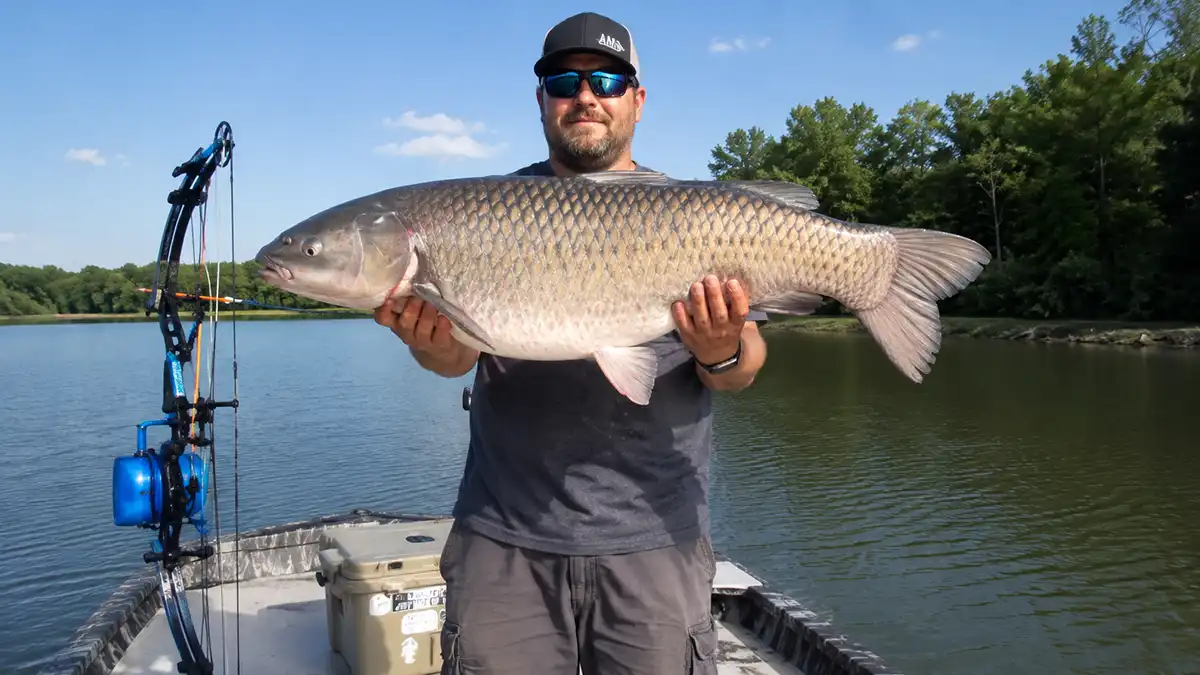
Here's where bowfishing earns real respect: it helps control species that damage Missouri's aquatic ecosystems. Common carp root up the bottom and muddy the water, degrading habitat for native fish and waterfowl. Invasive Asian carp — the bighead and silver carp that have overrun parts of the Missouri and Mississippi river systems — outcompete native fish for food and disrupt entire ecosystems. Every one of these fish a bowfisher removes is a small win for native species. In this sense, bowfishing is a genuine conservation tool, not just recreation.
The Ethics of Harvest
With that lethal method comes an ethical obligation: don't waste what you take. Because bowfishing kills fish, responsible bowfishers have a plan for their catch. Carp and other rough fish make excellent garden fertilizer and compost, superb catfish bait, and — for those who prepare them properly — table fare (smoked carp has its devoted fans). What you should never do is pile up dead fish and dump them at the ramp or leave them to rot. That's both illegal in many contexts and a black eye for the whole sport. Utilize your harvest, and dispose of any remains properly.
Being a Good Ambassador
Bowfishing's growing popularity means its reputation rests on how each of us behaves. Respect other anglers and boaters, especially at night when your lights and generator can disturb others. Follow no-wake zones and property boundaries. Get permission for private waters. Clean up your accesses. And take the time to teach newcomers the rules and ethics, not just the shooting. The sport's future — and continued access to Missouri's waters — depends on bowfishers policing themselves and demonstrating that they're conservation-minded sportsmen.
Respect the Privilege
Bowfishing offers a unique way to enjoy Missouri's outdoors, help native fisheries, and put a genuinely challenging skill to use. Treat it as the privilege it is: know the regulations, shoot only legal species, use your harvest, and represent the sport well. Do that, and bowfishing will remain a proud part of Missouri's rich outdoor tradition for generations to come.