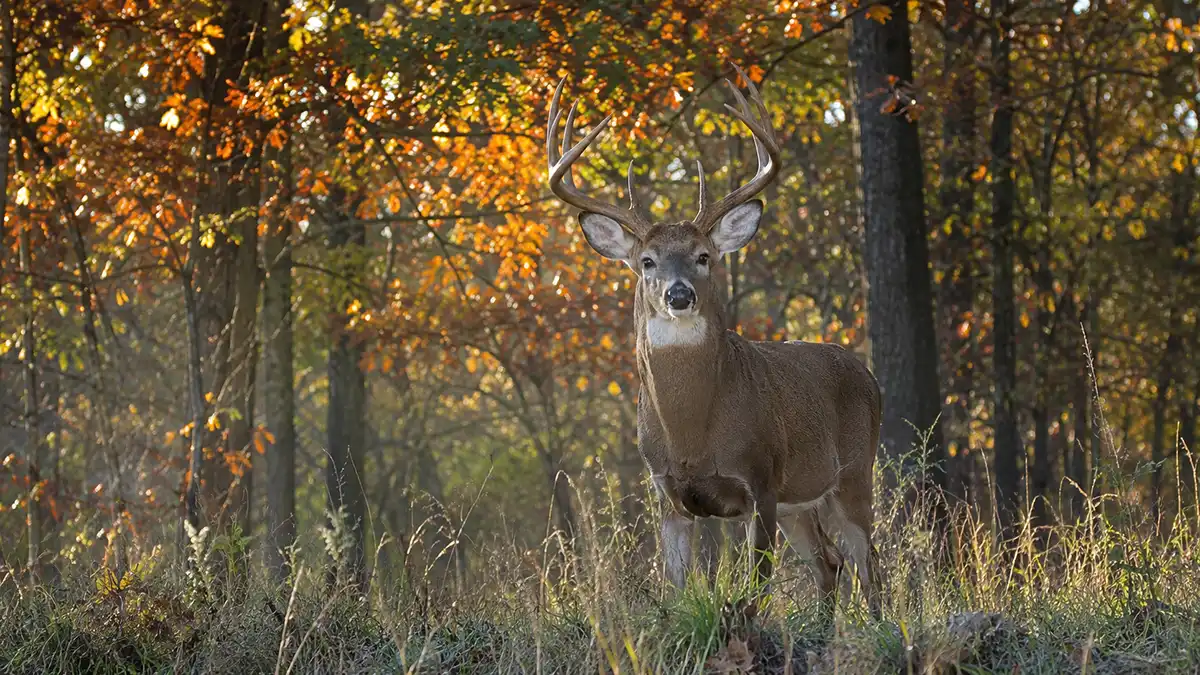
A Beginner's Guide to Deer Season in Missouri
Deer hunting is a Missouri tradition that spans generations, and each fall hundreds of thousands of hunters take to the woods in pursuit of white-tailed deer. If you're just getting started, the whole thing can feel overwhelming — seasons, permits, gear, where to even sit. The good news is that Missouri has excellent deer numbers, generous public land, and a long season structure that gives newcomers plenty of opportunity. Here's a plain-English guide to get you into the woods with confidence.
Understand the Seasons
Missouri splits deer hunting into several seasons across the fall and early winter. Archery season is long, typically running from mid-September into January with a break during the main firearms season. The firearms deer season includes an early youth portion, the main November portion (the one most hunters plan their year around), and additional late antlerless and alternative-methods portions. Each has its own dates and rules. If you're new, the main November firearms portion is the traditional entry point, but archery offers weeks of quiet, uncrowded hunting for those willing to learn the bow.
Permits and Regulations
Before you hunt, you'll need the proper permit, and most new adult hunters must complete a hunter education certification course first. Missouri's regulations cover which deer you can take (antlered versus antlerless), county-specific antler point restrictions in some areas, and mandatory harvest reporting through the state's Telecheck system. There are also chronic wasting disease (CWD) management regulations in certain counties that affect carcass movement and sampling. Read the current deer regulations carefully — they're detailed, and they vary by county.
Basic Gear
You don't need to spend a fortune to start. For firearms season, a reliable deer rifle or shotgun in a common caliber, blaze orange clothing (required during firearms season for safety), warm layers, and good boots cover the essentials. A safe, sturdy tree stand or ground blind, a knife for field dressing, and a way to drag or pack out your deer round out the kit. Bowhunters need a properly fitted bow, broadhead-tipped arrows, and — always — a full-body safety harness for hunting from an elevated stand. Falls from tree stands injure more hunters than anything else; wear the harness every time.
Where and How to Sit
Deer are creatures of habit that move between bedding areas and food. Look for travel corridors — trails, funnels between cover, edges where woods meet fields — and set up downwind so deer don't smell you. Morning and the last hours before dark are prime movement times. Get settled well before first light, stay still and quiet, and be patient. Missouri's mix of agricultural land, hardwood ridges, and river bottoms all hold deer; scouting for tracks, trails, rubs, and scrapes in your specific spot beats any general rule.
After the Shot
Making an ethical, well-placed shot is the hunter's most important responsibility. Practice with your weapon until you're confident, and only take shots you know you can make. After a shot, give the deer time, then take up the trail carefully. Field dressing promptly keeps the meat in good shape — plenty of first-timers learn this step from a mentor or a good online tutorial. And remember Missouri's mandatory reporting requirement before you transport or process your deer.
Find a Mentor
The single best thing a new hunter can do is find someone experienced to go with. Missouri also runs mentored hunting opportunities and apprentice options that let newcomers get into the field under guidance. Deer hunting rewards patience and woodsmanship that build over seasons — but with Missouri's strong deer herd and abundant public ground, there's no better place to start the journey.