Table Rock Lake Bass Fishing: A Seasonal Playbook
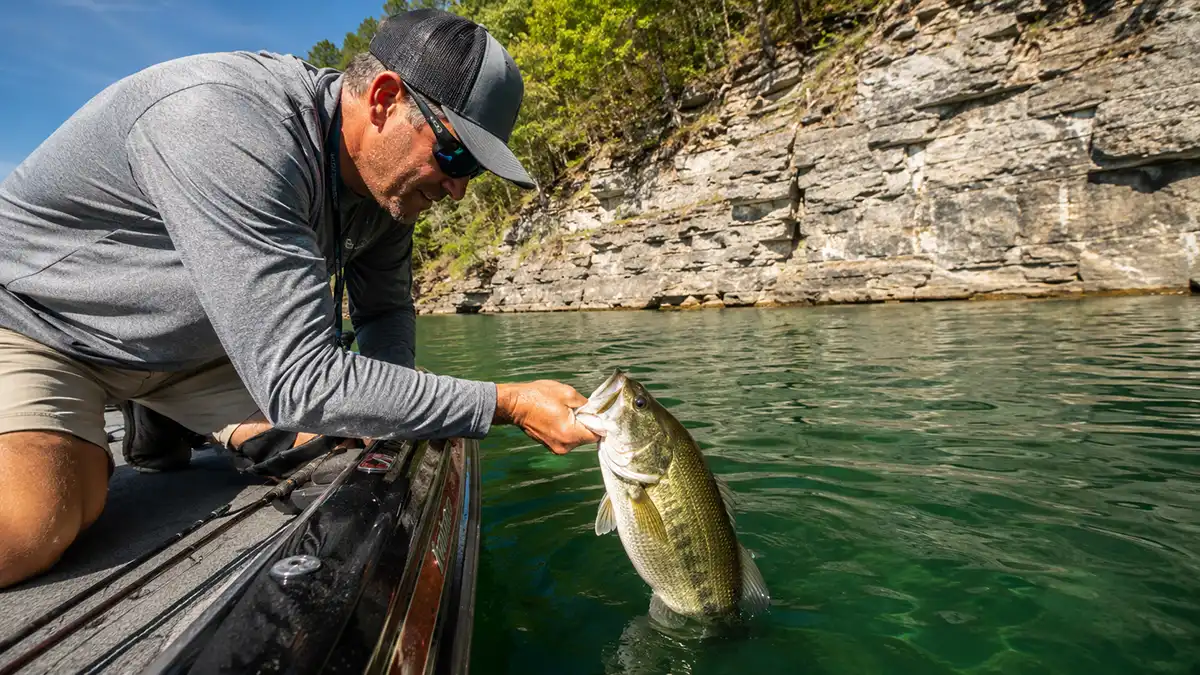
Table Rock Lake, tucked into the Ozark hills of southwest Missouri near Branson, is regularly ranked among the best bass lakes in the United States — and anyone who's fished it understands why. Its clear water, rocky bluffs, submerged timber and healthy forage base support three species of black bass: largemouth, smallmouth, and spotted (Kentucky) bass, often caught on the same day. The catch is that clear, deep, structure-rich water rewards anglers who adjust to the seasons. Here's a playbook for fishing Table Rock all year.
Spring: The Prespawn and Spawn
Spring may be the most exciting time on Table Rock. As the water warms into the high 40s and 50s, bass move up out of deep winter haunts toward spawning flats and pockets. Prespawn fish stage on secondary points and chunk-rock banks, where a suspending jerkbait, a swimbait, or a jig crawled slowly can draw vicious strikes. As the spawn kicks in, sight-fishing the clear coves for bedding bass becomes a game of patience and stealth. This is trophy time — the biggest largemouth of the year often come shallow now.
Summer: Go Deep and Early
Once summer heat sets in, the clear water pushes bass deep during the day. Early mornings and late evenings, work topwater over points and bluff ends for explosive strikes. When the sun climbs, follow the fish out to deeper structure — main-lake points, brush piles, and standing timber in 20 to 40 feet — with a drop-shot, a Carolina rig, or a deep-diving crankbait. Smallmouth in particular love the deep, rocky main-lake structure that Table Rock has in abundance. A good electronics unit earns its keep in summer.
Fall: Follow the Bait
Come fall, cooling water sends shad into the creeks and the backs of coves, and the bass follow them in. This is a run-and-gun season: find the bait and you find the fish. A shad-imitating crankbait, a spinnerbait, or a topwater walked across a school of feeding bass can produce fast, aggressive action. Fall fish are fattening up for winter, so they're often willing to chase, making it a fun time to cover water and keep moving until you connect.
Winter: Slow and Deep
Table Rock stays fishable all winter, though the pace slows way down. Bass — especially spotted bass and smallmouth — group up on deep bluff ends, points, and channel swings. Finesse presentations rule: a jig worked painfully slow, a jigging spoon dropped vertically onto suspended fish, or a hair jig fished with patience. Bites can be subtle in cold water, so watch your line and set on anything that feels different. Bundle up and you can catch quality fish when the crowds are gone.
Regulations and Conservation
Table Rock has specific bass regulations, including length limits that differ by species, aimed at protecting the fishery's quality. Always check the current Missouri regulations and any lake-specific rules before you keep a fish. The lake's reputation is built on careful management and a strong catch-and-release ethic among its anglers — handle fish gently, especially in warm water, and the lake will keep producing giants.
Why Anglers Keep Coming Back
Between the scenery — those towering Ozark bluffs and that gin-clear water — and the genuine shot at a trophy on any cast, Table Rock rewards the angler who learns its moods. Match your approach to the season, respect the fishery, and you'll understand why so many consider it the crown jewel of Missouri bass fishing.